Why We Stay in Relationships That Hurt Us
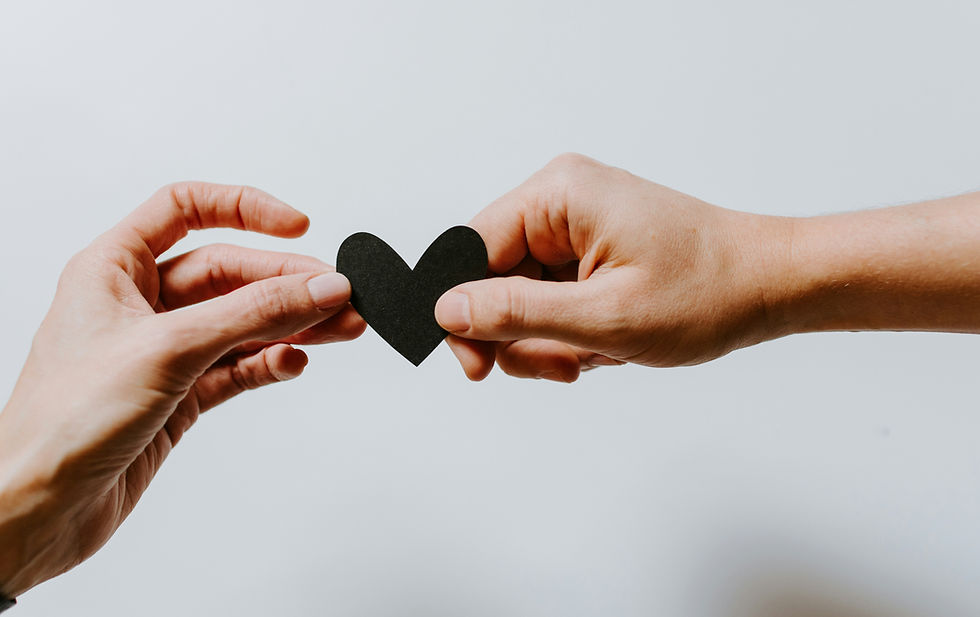
Understanding the emotional patterns behind painful attachments
There is a question that comes up time and time again in therapy:
“Why do I stay when I know it’s hurting me?”
On the surface, it can look confusing. From the outside, people might say,“Just leave.”“You deserve better.”
But internally, it rarely feels that simple.
It’s Not About Weakness — It’s About Wiring
Staying in a painful relationship is not a sign of weakness.
More often, it reflects deep emotional conditioning.
Many of us learned early on that:
Love is inconsistent
Care is conditional
Approval must be earned
So we adapt.
We learn to tolerate discomfort.We learn to chase connection.We learn to stay — even when staying hurts.
The Familiar Feels Safer Than the Unknown
One of the most powerful forces at play is familiarity.
Even when a relationship is painful, it can still feel:
Known
Predictable
Understandable
And the alternative?
The unknown.
And the unknown can feel far more threatening than something we already know how to survive.
The Hope That Things Will Change.
Another key factor is hope.
Not blind hope — but emotional investment.
You’ve seen glimpses of something good:
moments of connection
kindness
intimacy
And those moments can keep the attachment alive.
The mind tells you:
“If I just try a little harder… maybe it will go back to how it was.”
The Role of Self-Worth
Often, underneath the pattern, there is a deeper question:
“What do I believe I deserve?”
If someone carries a sense of:
not being enough
needing to prove their value
fear of abandonment
then leaving can feel like:
failure
rejection
confirmation of those beliefs
So instead, the system stays — and tries to make it work.
When Love and Pain Become Entangled
Over time, the relationship between love and pain can blur.
You might find yourself:
excusing behaviour
minimising your needs
prioritising the other person’s emotions
Not because you want to suffer —but because the system has learned that connection comes at a cost.
So What Needs to Change?
Change doesn’t begin with leaving.
It begins with awareness.
Noticing the pattern
Understanding where it comes from
Recognising what your system is trying to protect you from
From there, something shifts.
You start to ask:
What do I actually need?
What am I tolerating?
What would it look like to choose myself?
A Final Thought
If you recognise yourself in this, you are not alone.
These patterns are learned — which means they can also be unlearned.
But it takes time.It takes patience.And often, it takes support.
If any of this resonates, it might be worth exploring it further — whether through reflection, conversation, or therapy.
Because at the heart of it, this isn’t just about relationships.
It’s about how you relate to yourself.


Comments